The B2B Guide to Palm Oil: Grades, Specifications, and Industrial Applications
Olexo Group
As a leading Manfuctrer in the global vegetable oil market, Olexo Group understands that food manufacturers and industrial buyers demand precise, consistent, and certified ingredients. Refined, Bleached, and Deodorized (RBD) Palm Olein is one of the world’s most versatile and widely traded edible oils, critical for deep-frying, baking, and blending.
The Essential B2B Guide to RBD Palm OIL Grades and Specifications

What is RBD Palm Olein?
RBD Palm Olein is the liquid fraction of palm oil, known for its clarity, stability, and neutral sensory profile. It is derived from the fleshy mesocarp of the oil palm fruit (Elaeis guineensis). The process involves two main stages: Refining and Fractionation.
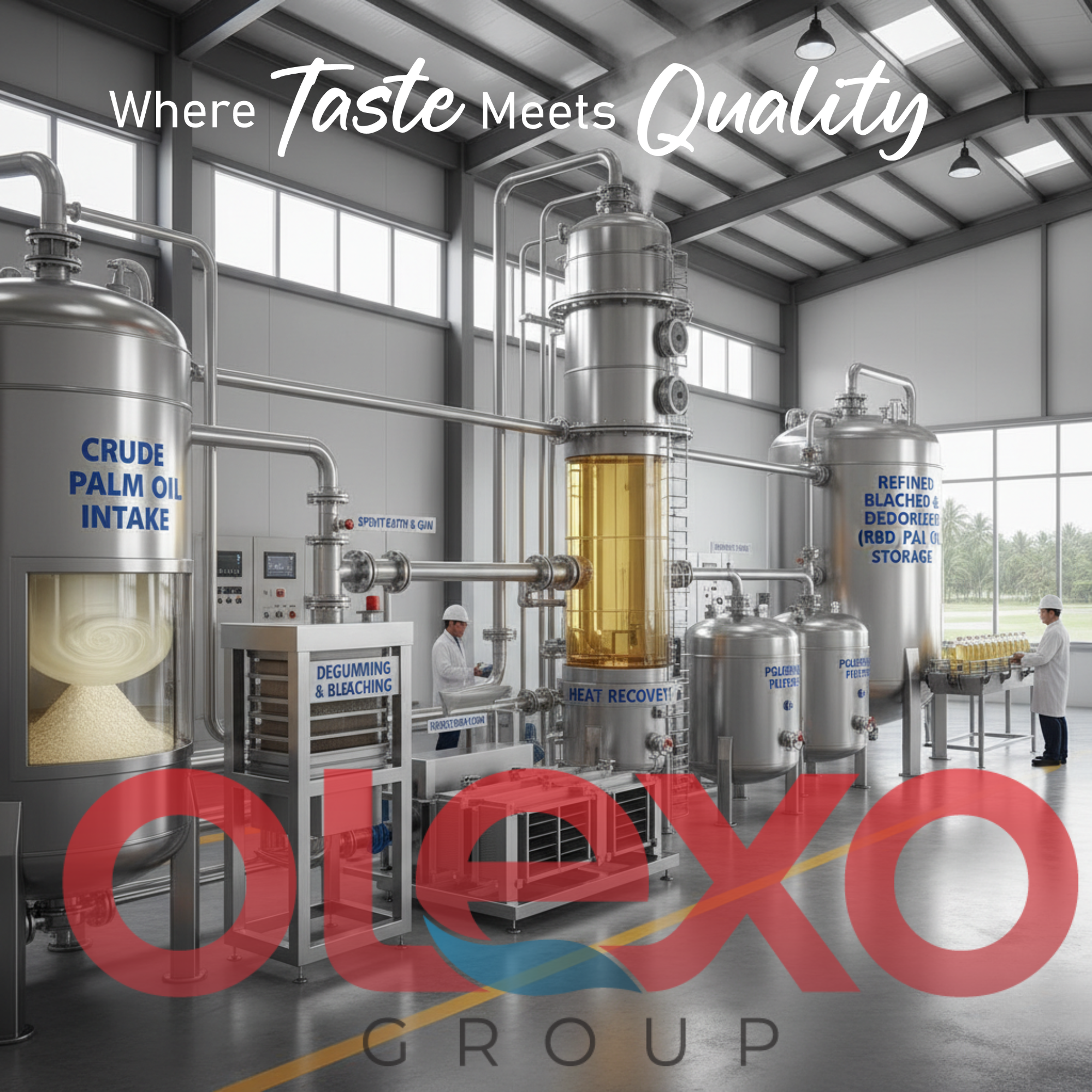
The Refining Process (RBD)
Before it becomes olein, the crude palm oil (CPO) undergoes the RBD process—Refined, Bleached, and Deodorized—to remove impurities, color, and volatile compounds that affect shelf life and flavor (Source 1.1). Refining: Removes free fatty acids (FFA) and other non-glyceride impurities. Bleaching: Uses natural clay to remove pigments (like beta-carotene) and traces of impurities, resulting in a clear, light color. Deodorizing: Steam distillation under high temperature removes volatile compounds, resulting in an oil that is practically odorless and tasteless, crucial for not altering the flavor of finished food products (Source 5.3).
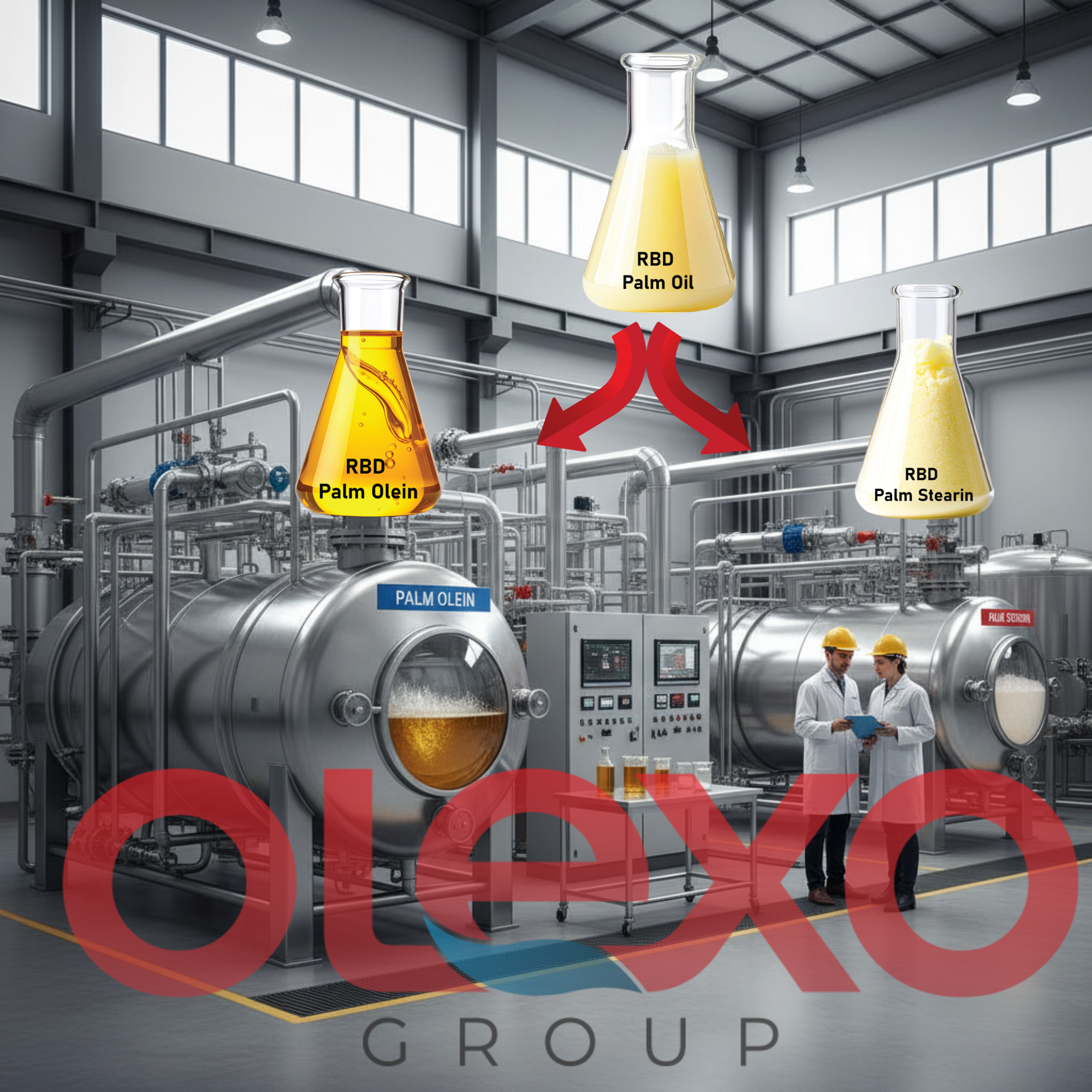
Fractionation: Creating the Olein
The RBD palm oil is semi-solid at room temperature (around 20 degrees C). To create the liquid fraction, it undergoes fractionation. This is a physical process where the oil is cooled under controlled conditions, allowing the higher melting point components (the solids, known as Palm Stearin) to crystallize and separate from the lower melting point components (the liquid, Palm Olein) (Source 1.1, 1.2). The resulting RBD Palm Olein is a clear, stable liquid oil commonly used globally as premium cooking and frying oil.
What Does RBD Mean in Palm Olein Products?
RBD Palm Olein is the clear, liquid fraction of palm oil, purified via Refining, Bleaching, and Deodorization (RBD), followed by Fractionation. This process removes impurities, giving it high stability, neutrality, and a trans-fat-free status. It is crucial for deep-frying, bottling, and blending applications globally. Quality is assured by low technical specs, such as maximum Free Fatty Acid (FFA) of 0.1% and Peroxide Value (PV) of 1.0.
What Does RBD Mean in Palm Oil Products?
RBD stands for Refined, Bleached, and Deodorized. This industrial process is essential to make crude oil edible and stable. Refining removes Free Fatty Acids (FFA); Bleaching strips color and impurities; and Deodorization eliminates volatile odors. This thorough purification ensures oil safety, stability, and a neutral sensory profile. This results in a superior, reliable commercial product with a standard shelf life of $18$ to $24$ months.
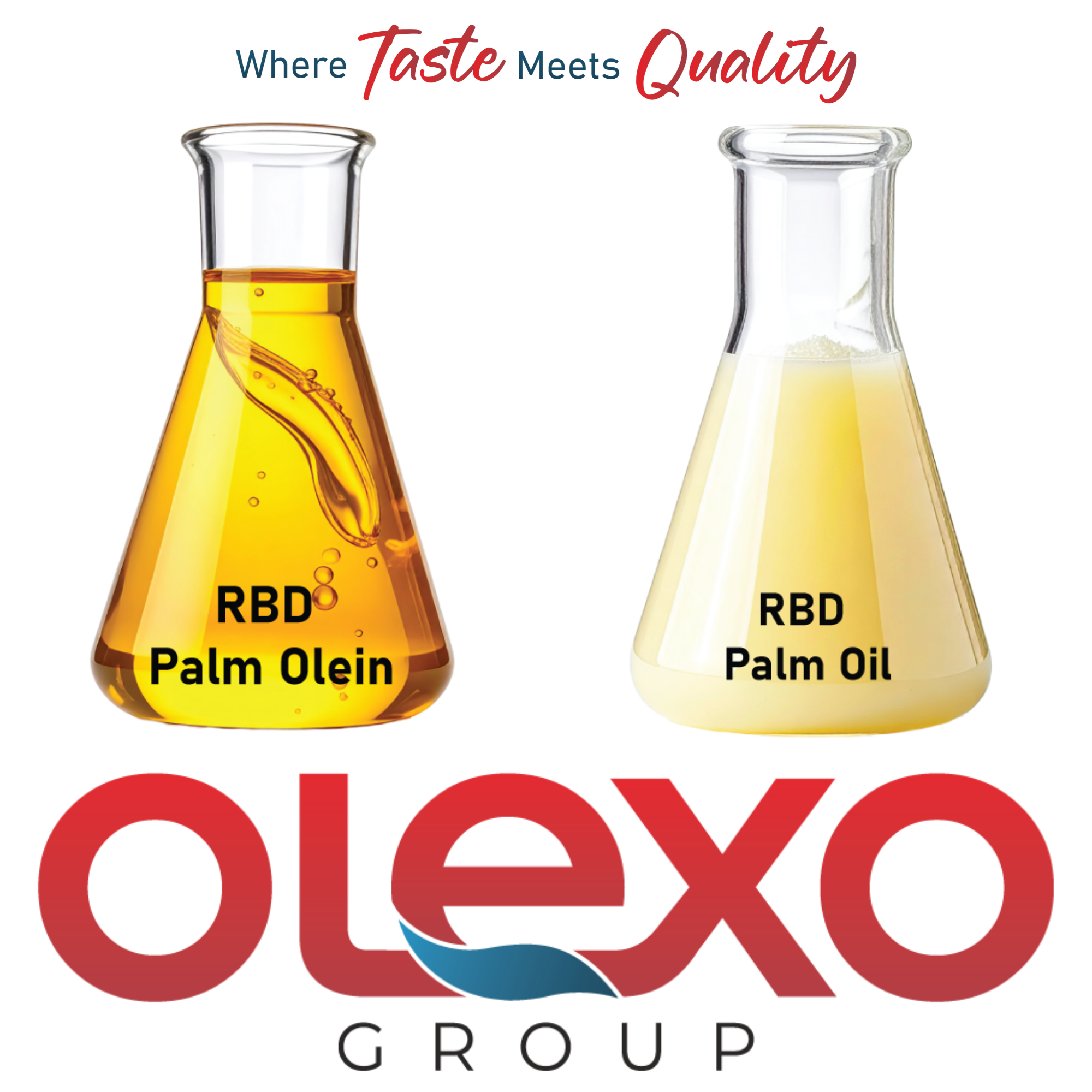
What Is the Difference Between Palm Oil and Palm Olein?
The difference is physical state. Palm Oil is semi-solid (MP 33 degree C to 39 degree C), used for structured fats like shortening. Palm Olein is liquid (MP 17 degree C to 24 degree C), created by Fractionation which increases its unsaturated content. This gives Olein a higher Iodine Value (IV $\ge 56$) and makes it the ideal clear, liquid product for frying and bottling for retail.
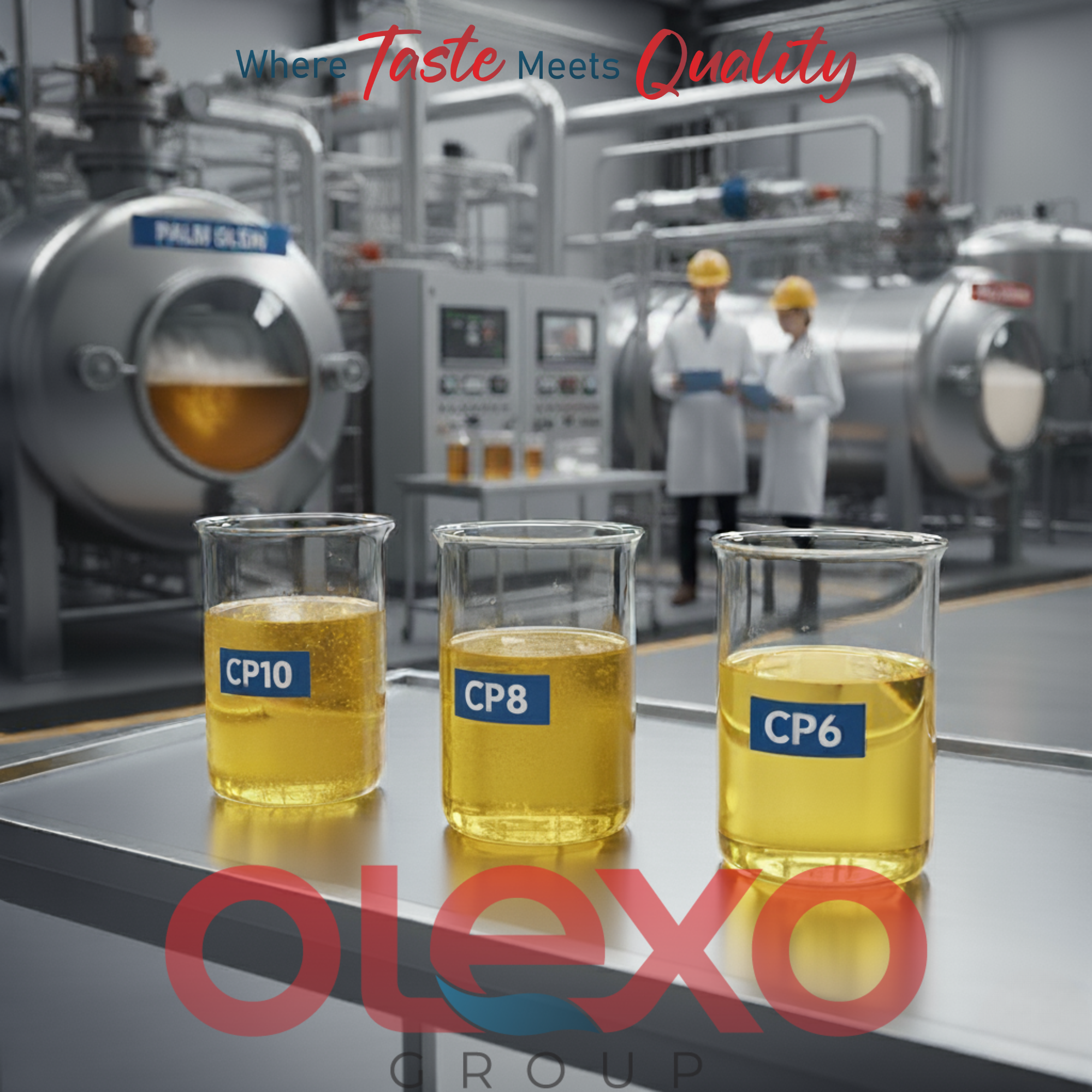
What Do Palm Olein Grades CP 10, CP 8, and CP 6 Mean?
CP stands for Cloud Point—the temperature where oil clouds due to crystallization. Lower CP means better cold stability. CP 10 is for warm markets. CP 8 suits mild climates. CP 6 (Super Olein) is double-fractionated for maximum clarity in cool/temperate regions, making it the premium bottled product. Choose the CP based on your product's destination climate to prevent product clouding.
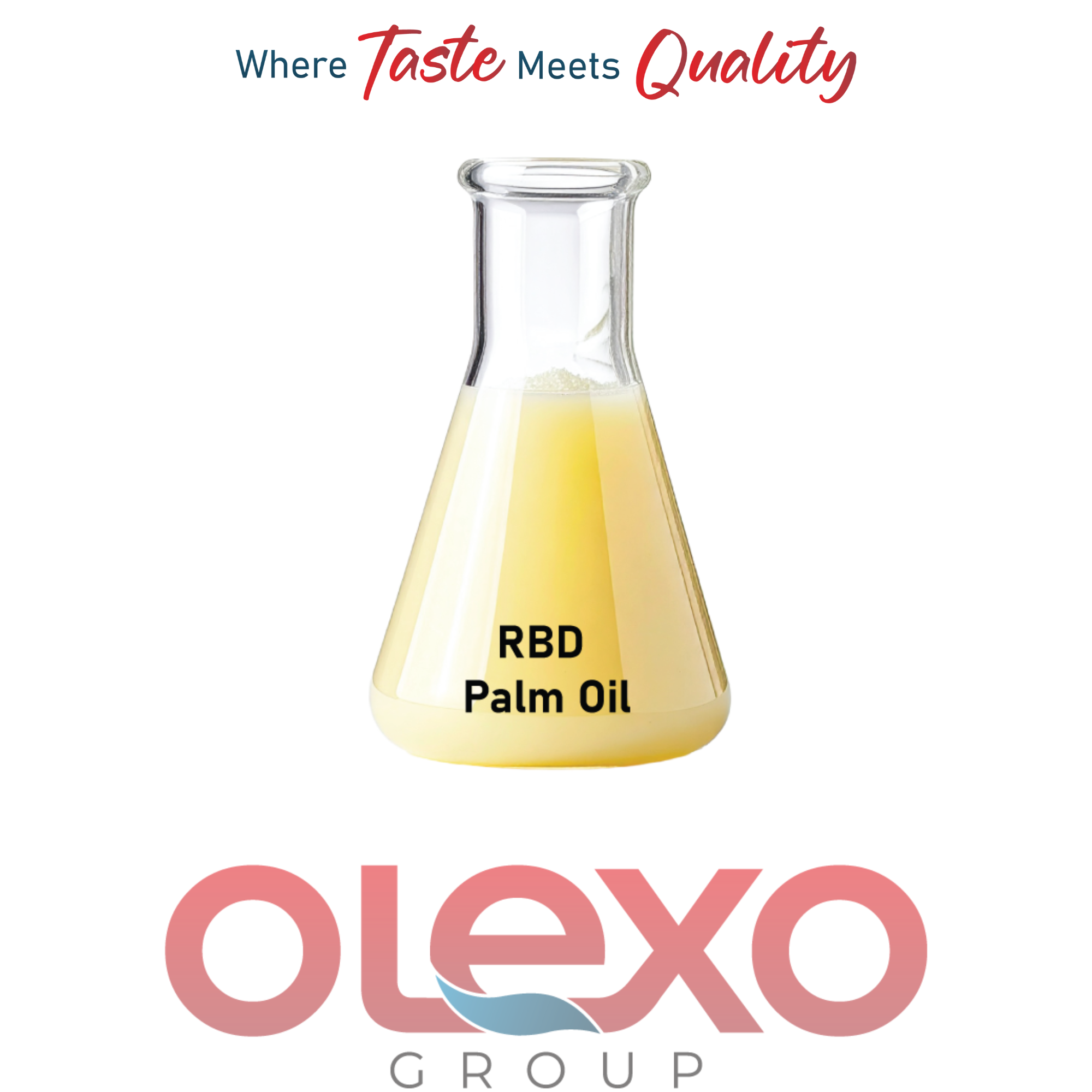
is Palm Oil Healthy and Safe for Food Production?
RBD Olein is safe, stable, and naturally trans-fat-free. It contains a balance of saturated and unsaturated fats. Safety is guaranteed by the RBD purification process. For sustainability, buyers must specify RSPO (Roundtable on Sustainable Palm Oil) certified oil. This ensures ethical sourcing, supply chain traceability, and meets necessary corporate social responsibility mandates and market demands.
What Are the Key Technical Specifications to Request?
Buyers must demand a Certificate of Analysis (COA) verifying batch quality. Key specs include low FFA (Max 0.1%) and low Peroxide Value (PV Max 1.0) for freshness. You must also check Moisture (Max 0.1%), Cloud Point (CP), and Iodine Value (IV). Adherence to these international standards ensures the oil meets stability and performance requirements for consistent operation in your industrial formulation process.
Why Is Palm Olein the Best Frying Oil?
Olein is excellent for frying due to its high thermal stability and high smoke point (over 230 degree C). It resists breakdown better than other oils, extending fryer life. Its neutral flavor ensures the food's taste is preserved. Lower CP grades are best for continuous frying. Buyers can also specify added antioxidants to maximize operational efficiency and stability in demanding commercial kitchens.
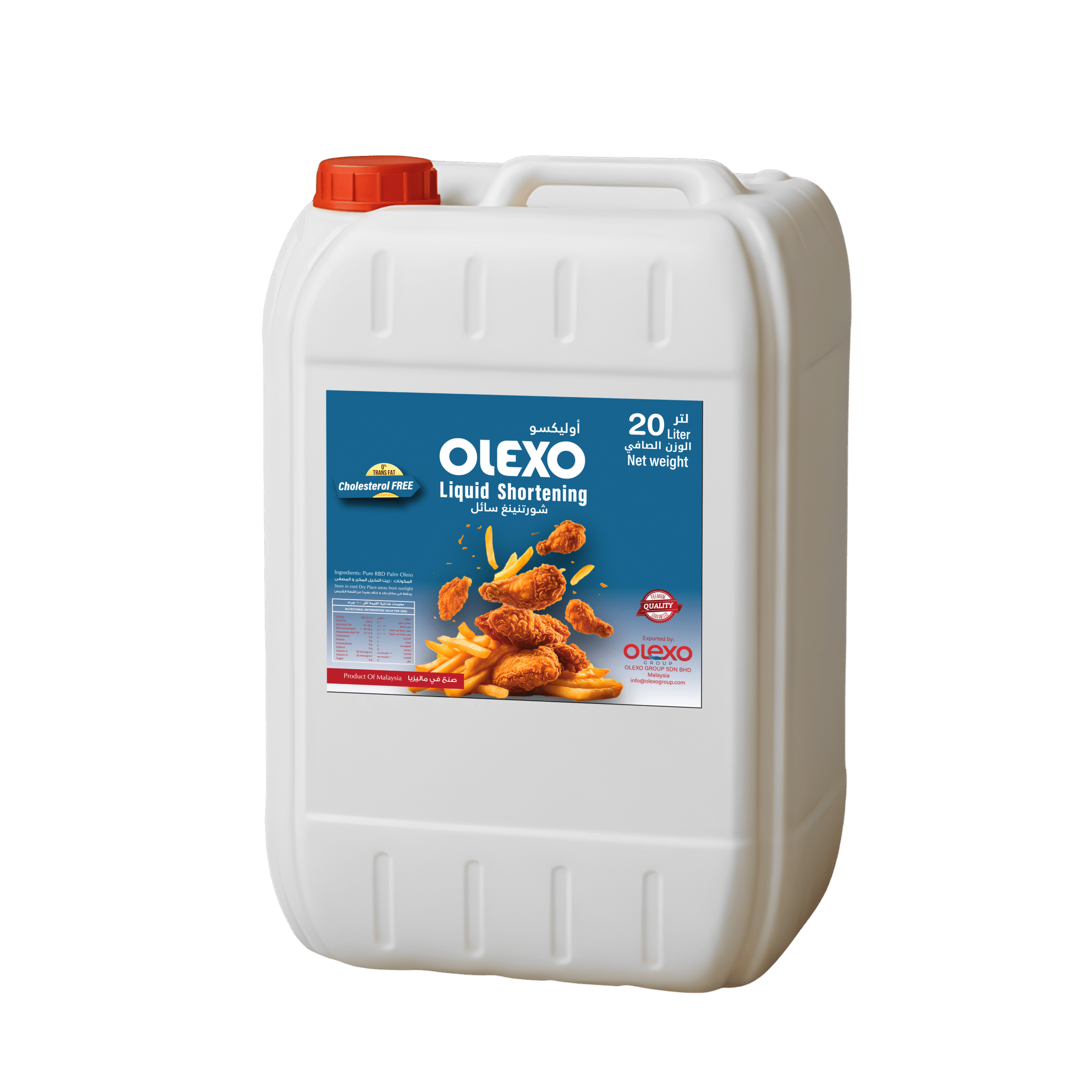
How Should Bulk RBD Palm Olein Be Stored?
Shelf life is typically 18 to 24 months. To prevent clouding, store the oil at least 5 degree C above its certified Cloud Point (CP). Storage temperature should not exceed 35 degree C to limit oxidation. Protect tanks and packaging from direct light and heat. Ensure compliance with HACCP standards to prevent moisture and metal contamination.
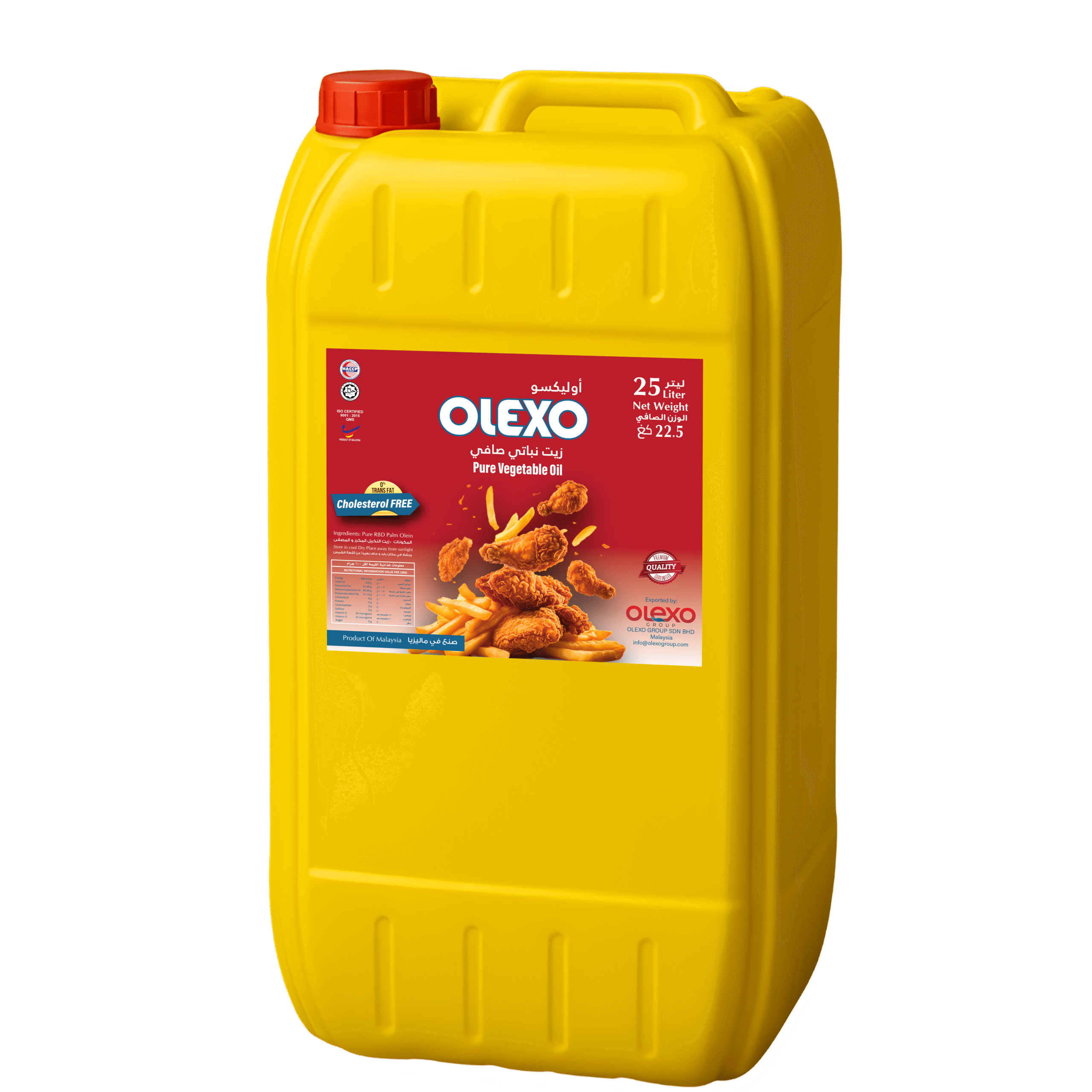
What Packaging and MOQ Do I Need for Import?
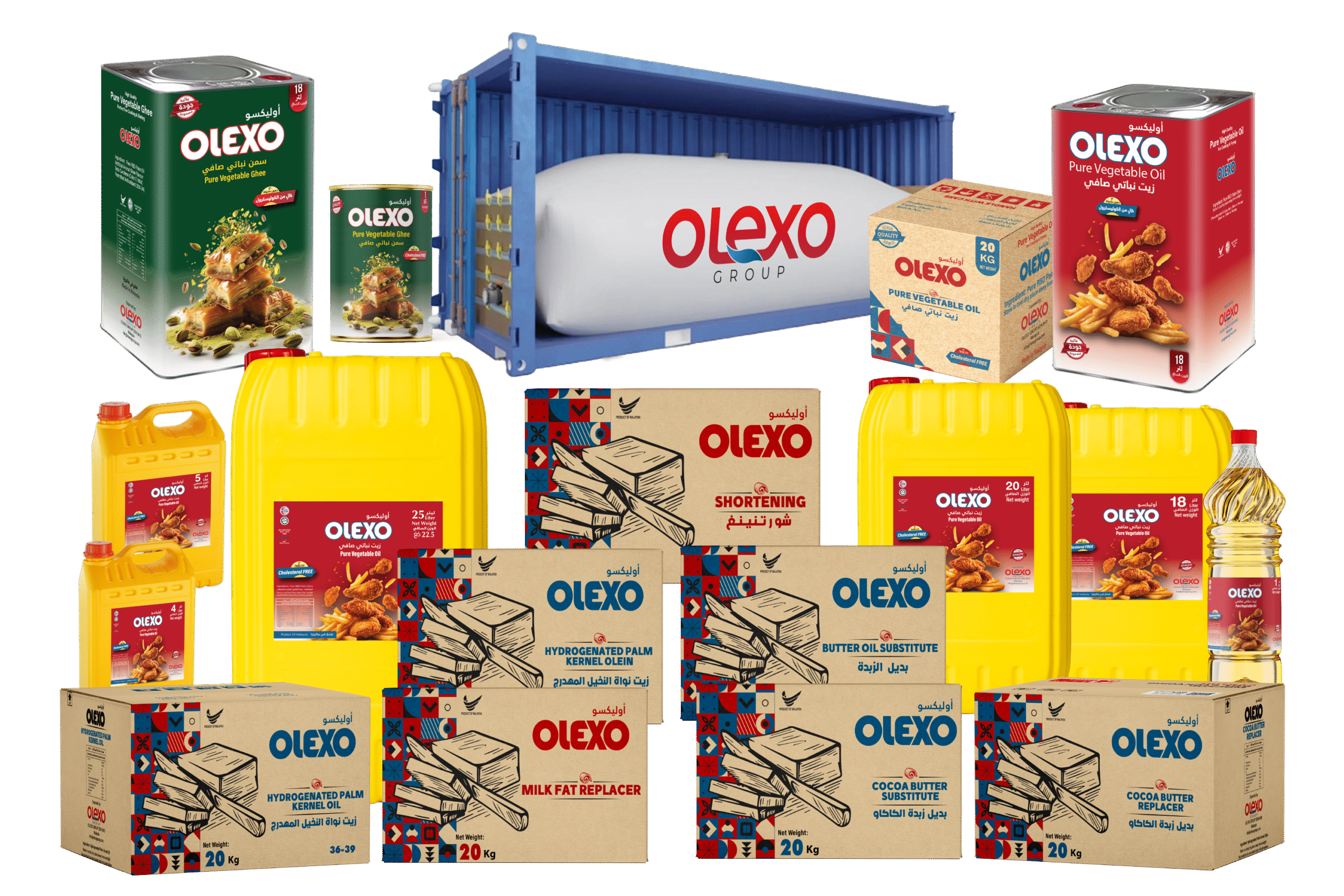
The standard Minimum Order Quantity (MOQ) is one Full Container Load (FCL), typically 20-21 MT. Packaging options include cost-efficient Flexitanks, Drums, or smaller Tins/Jerry Cans. Essential import documents are the Bill of Lading (B/L), the Phytosanitary Certificate, and the Certificate of Origin (CO), all required for smooth customs clearance and shipment traceability.
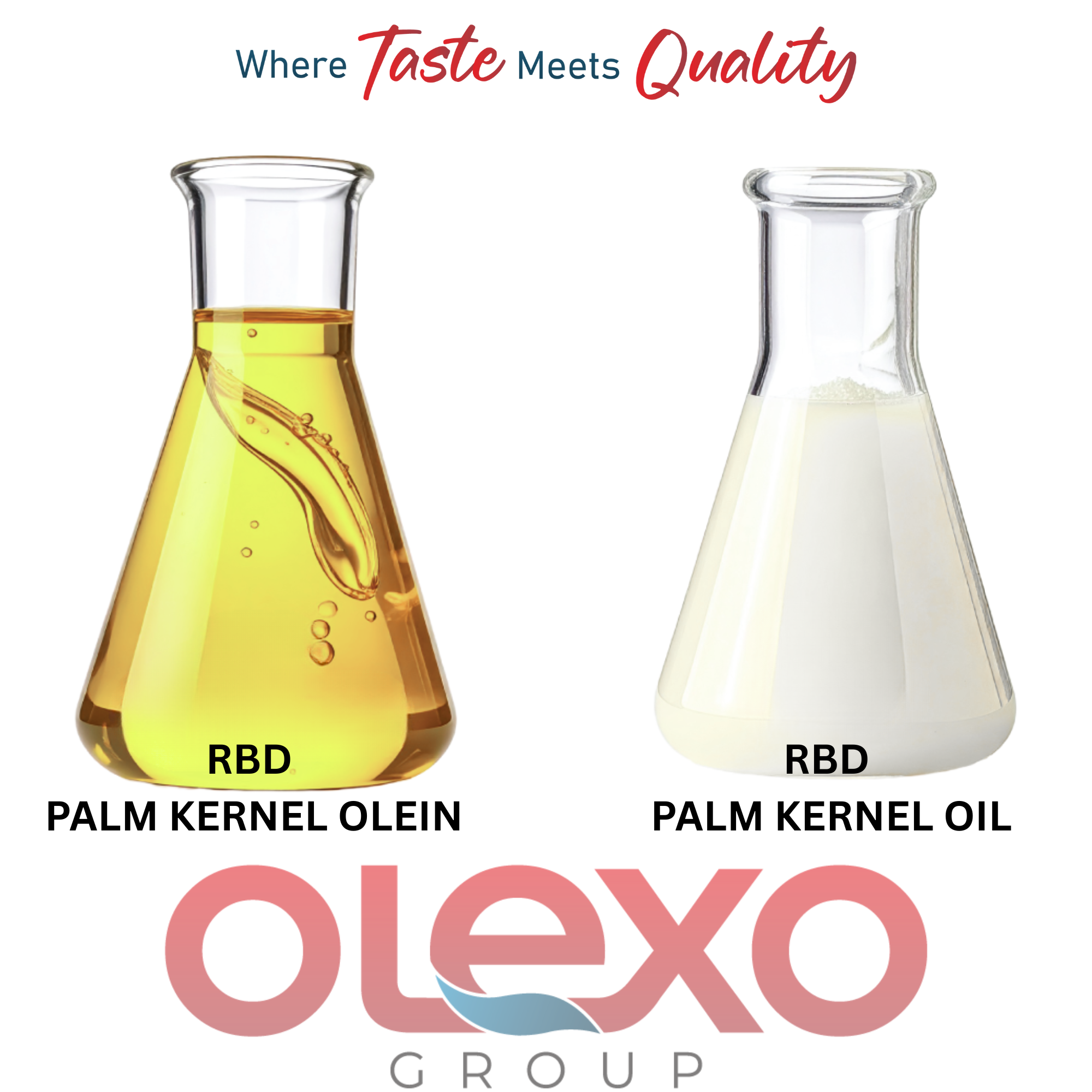
Is RBD Palm Olein the Same as Palm Kernel Oil?
No. Palm Olein is from the fruit's fleshy mesocarp (high in oleic acid). Palm Kernel Oil (PKO) is from the inner seed kernel, making it high in lauric acid, chemically similar to coconut oil. PKO is primarily used for specialty fats, confectionery, and non-edible applications, whereas Olein is a general-purpose liquid cooking oil.
What is Palm Stearin Used for in Food?
Palm Stearin is the solid fraction of palm oil, separated from olein during the fractionation process. Its high saturated fat content gives it a high melting point (44 degree C to 55 degree C). Stearin is used to add structure and firmness to various food products. Primary applications include vegetable ghee (vanaspati), stabilizing margarine, producing shortenings, and as a component in non-lauric specialty fats for the bakery and confectionery sectors.
What Are Specialty Fats and Why Are They Needed?
Specialty fats are modified fats and oils used to achieve specific performance characteristics in food products, such as a sharp melting profile, better texture, or enhanced mouthfeel. Olexo supplies specialty fats derived from palm, palm kernel, and coconut oils. These are crucial for confectionery (e.g., cocoa butter replacers), dairy analogues, and high-performance bakery shortenings. They deliver consistent functionality tailored to complex industrial formulations.
What Is Palm Kernel Oil and Its Primary Use?
Palm Kernel Oil (PKO) is extracted from the seed kernel, not the fruit pulp. It is high in lauric acid (similar to coconut oil) which gives it a sharp, quick-melting profile and excellent oxidative stability. PKO is primarily used for manufacturing non-dairy creamers, ice cream coatings, confectionery fats (due to its high lauric content), and in the production of soap and other oleochemicals.

Do We Supply Other Common Vegetable Oils?
Yes, Olexo Group acts as a reliable source and logistics partner for other major vegetable oils, including Soybean Oil, Sunflower Seed Oil, and Canola (Rapeseed) Oil. These oils provide different fatty acid profiles (high in polyunsaturated or monounsaturated fats) and are often requested for blending with palm fractions to meet specific nutritional labeling requirements, local flavor preferences, or formulation needs for salad oils and light cooking.
How Is Palm Oil Used to Make Margarine and Spreads?
Palm oil fractions are essential for margarine and spreads because they provide solid structure without needing artificial hydrogenation (trans fats). Palm Stearin provides firmness and stability, while liquid RBD Palm Olein controls spreadability. Olexo supplies both fractions, blended or separate, often with added emulsifiers and colorants. This ensures the final margarine or spread has the desired texture, melting point, and stability across various climates.
What Defines a High-Performance Frying Fat?
High-performance frying fats, often blended or fractionated palm oil, must have exceptional oxidative and thermal stability. This means they resist breakdown at high temperatures, extending the oil's lifespan in deep fryers. The fat requires a high Smoke Point (over 230 degree C) and a controlled melting profile. Olexo supplies specific high-stability RBD Palm Olein grades (like CP8 or CP6) and tailored frying blends to maximize efficiency and flavor neutrality for long commercial runs.
What Role Does Palm Oil Play in Bakery Shortening?
Palm oil and its fractions form the backbone of modern bakery shortenings, replacing traditional animal fats. Shortening must have excellent plasticity and a wide working temperature range. Palm Stearin, Palm Olein, and specialty fractions are used to achieve the desired texture, aeration ability (creaming capacity), and shelf life required for biscuits, bread, and pastries without contributing off-flavors. This ensures consistent product lift and texture for large-scale baking operations.
How Does Palm Oil Function in Confectionery Coatings?
Palm oil fractions are widely used in confectionery as Cocoa Butter Alternatives (CBA), primarily due to their cost-effectiveness and targeted melt profiles. Palm Kernel Oil derivatives provide sharp, quick-melting characteristics ideal for chocolate coatings and compounds (lauric fats). Other fractions are used to control crystal formation, ensuring coatings are glossy, snap cleanly, and melt quickly and smoothly in the mouth without affecting the chocolate's underlying flavor.
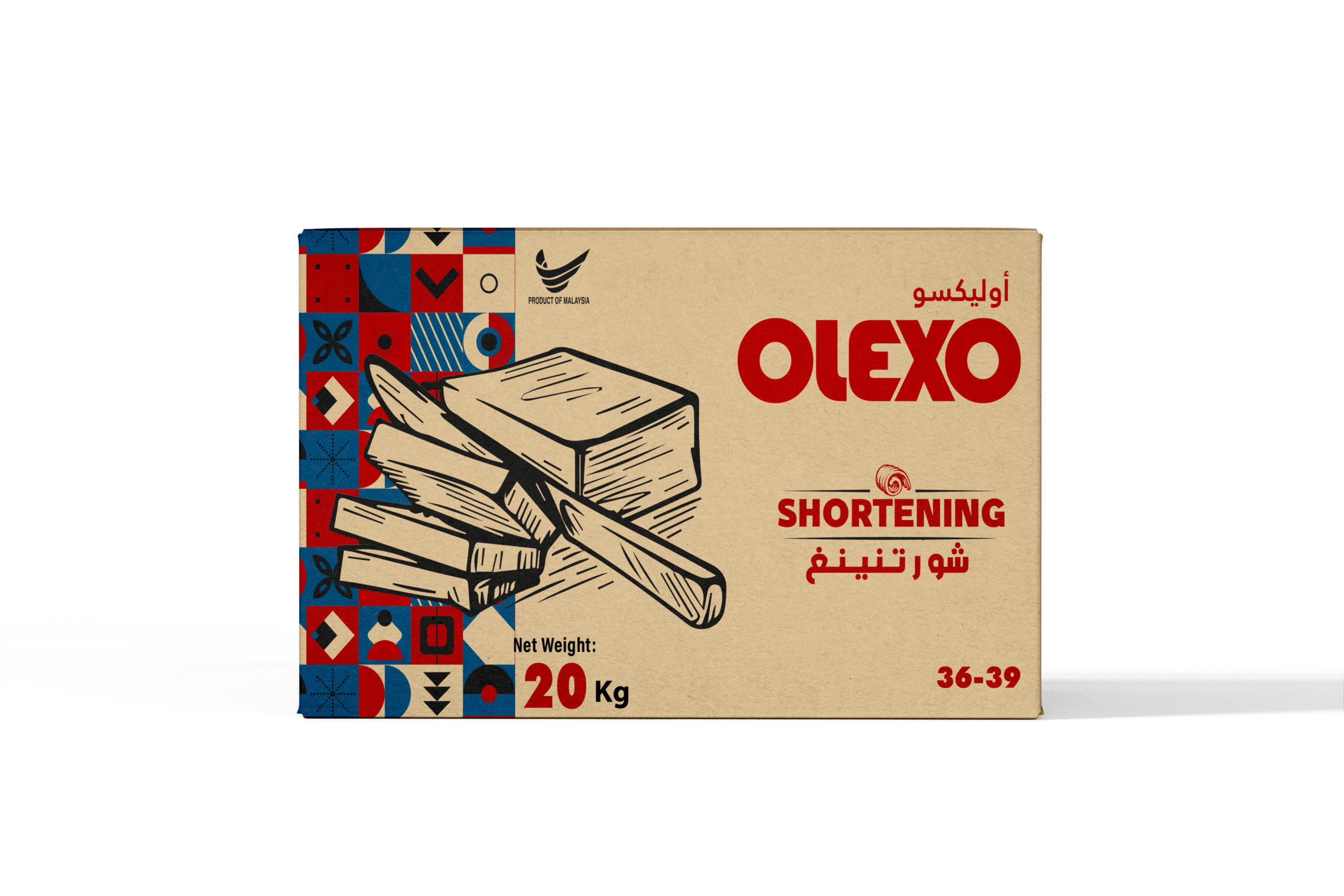
What is Vegetable Ghee and How is it Made?
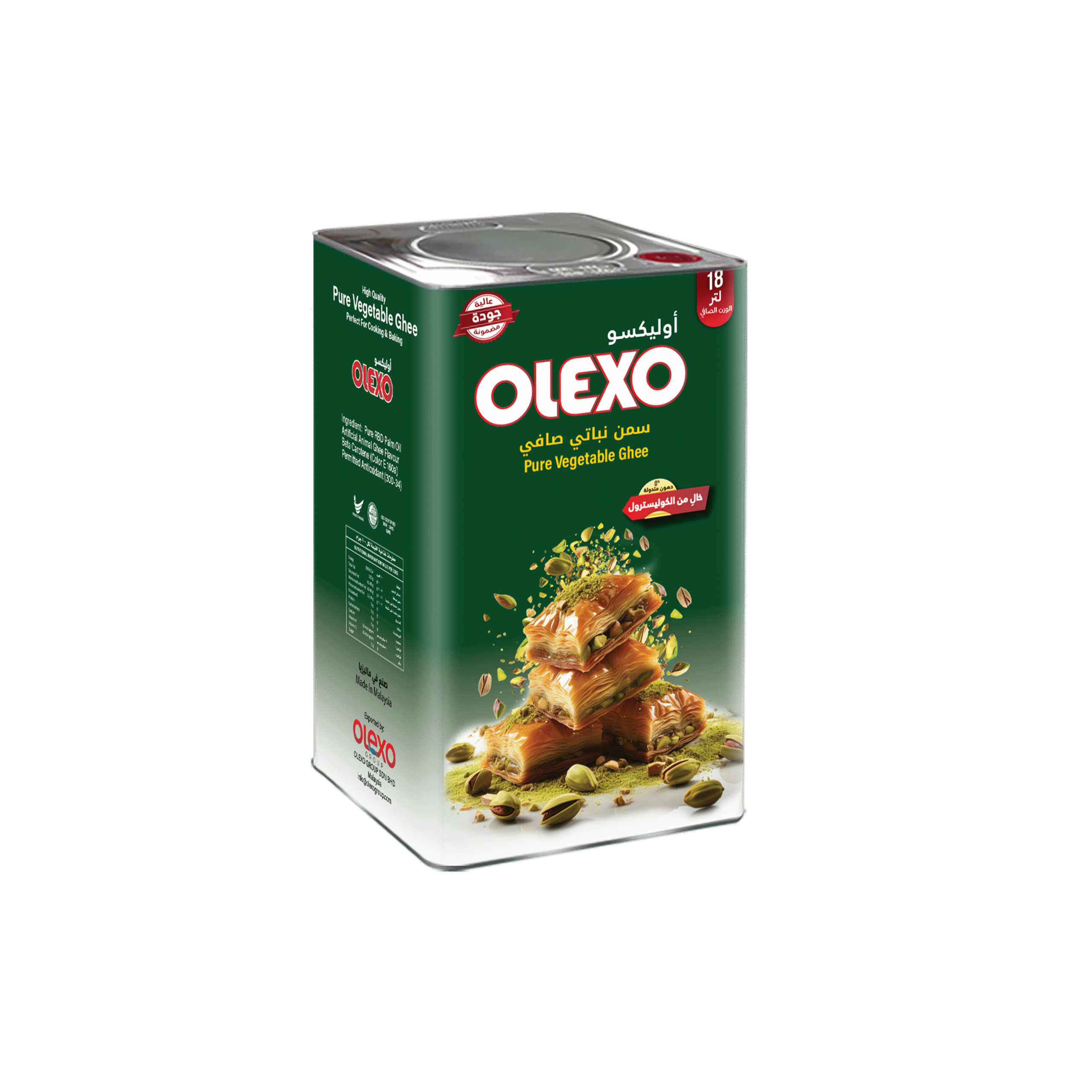
Vegetable Ghee, or Vanaspati, is a semi-solid, granular cooking fat widely used across South Asia. It is primarily made from RBD Palm Stearin, sometimes blended with other oils like Soybean or Sesame, and fortified with Vitamin A and D. Olexo supplies the base Palm Stearin with the precise melting point (MP 40-44 degree C) and crystal structure needed to achieve the characteristic granular texture and stability essential for traditional cooking and frying applications.
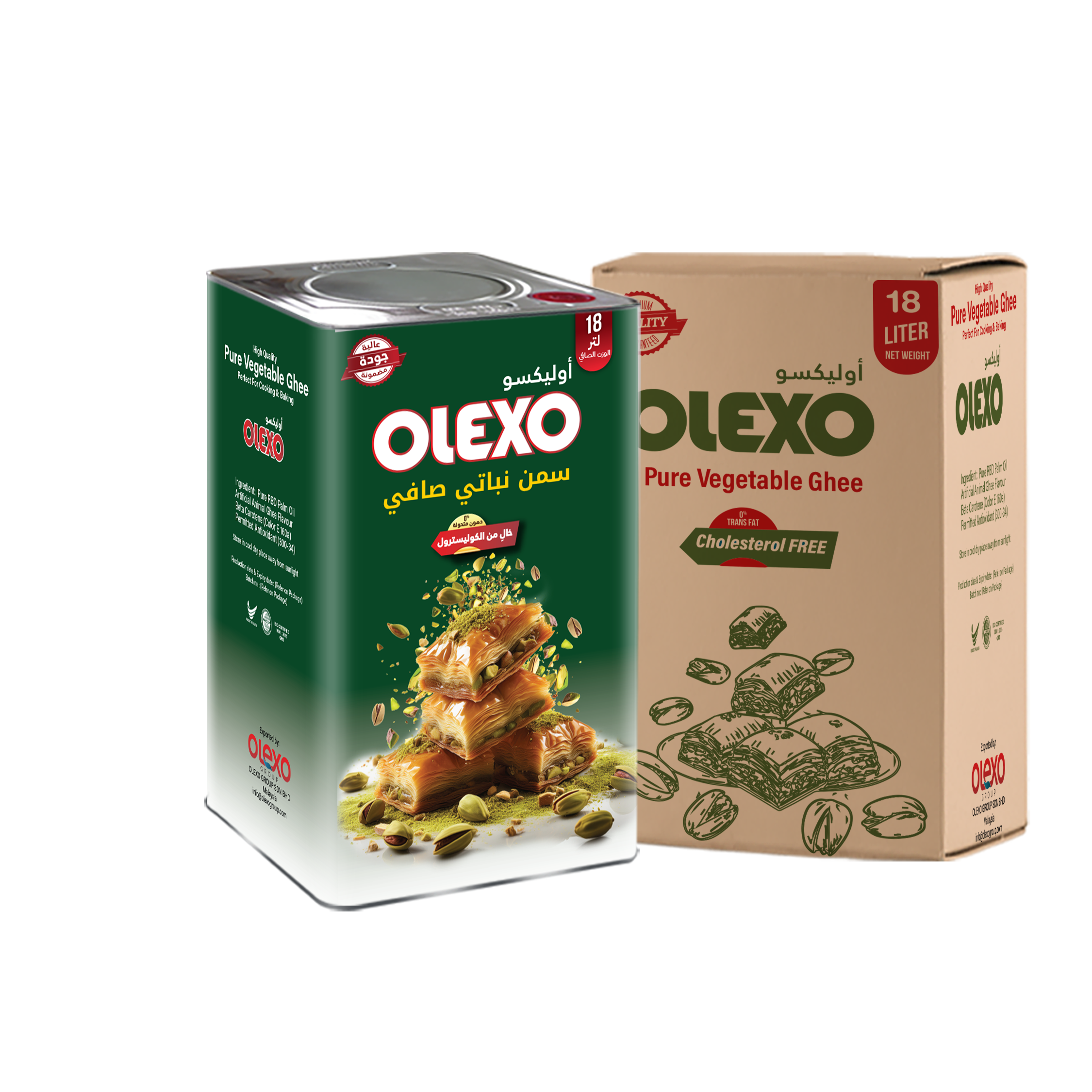
How Is Vegetable Ghee Given an Animal Flavor?
Olexo produces standard Vegetable Ghee (Vanaspati), typically made from Palm Stearin, that is naturally flavorless. To meet consumer demand for a traditional taste, specific butter or animal ghee flavorings are added during formulation. These are food-grade, nature-identical, or artificial compounds that mimic the flavor profile of dairy ghee, delivering a traditional culinary experience while remaining 100% plant-based and cost-effective.
What is Ideal for Making Liquid Frying Oil?
While RBD Palm Olein is highly stable, liquid frying oils often require a low Cloud Point (CP) for optimal cold performance. Olexo supplies Super Olein (CP 6), which undergoes double fractionation for maximum liquid clarity. We also offer specialized blends with high-oleic oils (like high-oleic sunflower) to further enhance liquid characteristics and improve the oil's nutritional profile, making it suitable for bottled applications in temperate climates.
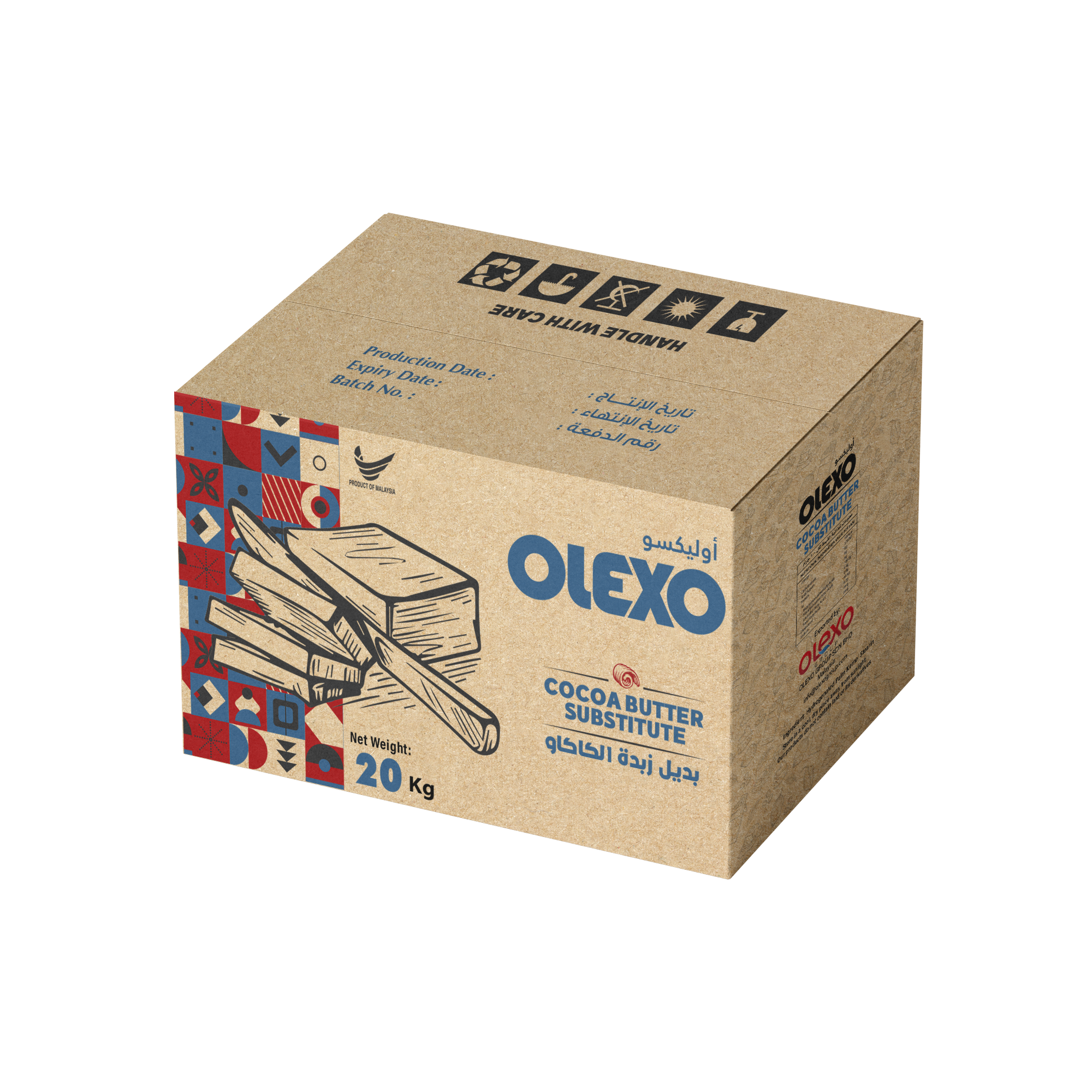
What Are Cocoa Butter Equivalent (CBE) Fats?
CBEs are premium specialty fats engineered to mimic the physical properties of natural cocoa butter (CB), including its sharp melt profile. They are primarily derived from highly specific fractions of palm oil, often Palm Mid-Fraction (PMF), sometimes combined with exotic fats like Shea or Illipe. CBEs are used in high-quality confectionery to replace up to 5% of CB, providing stability and controlling the snap and mouthfeel of chocolate bars.
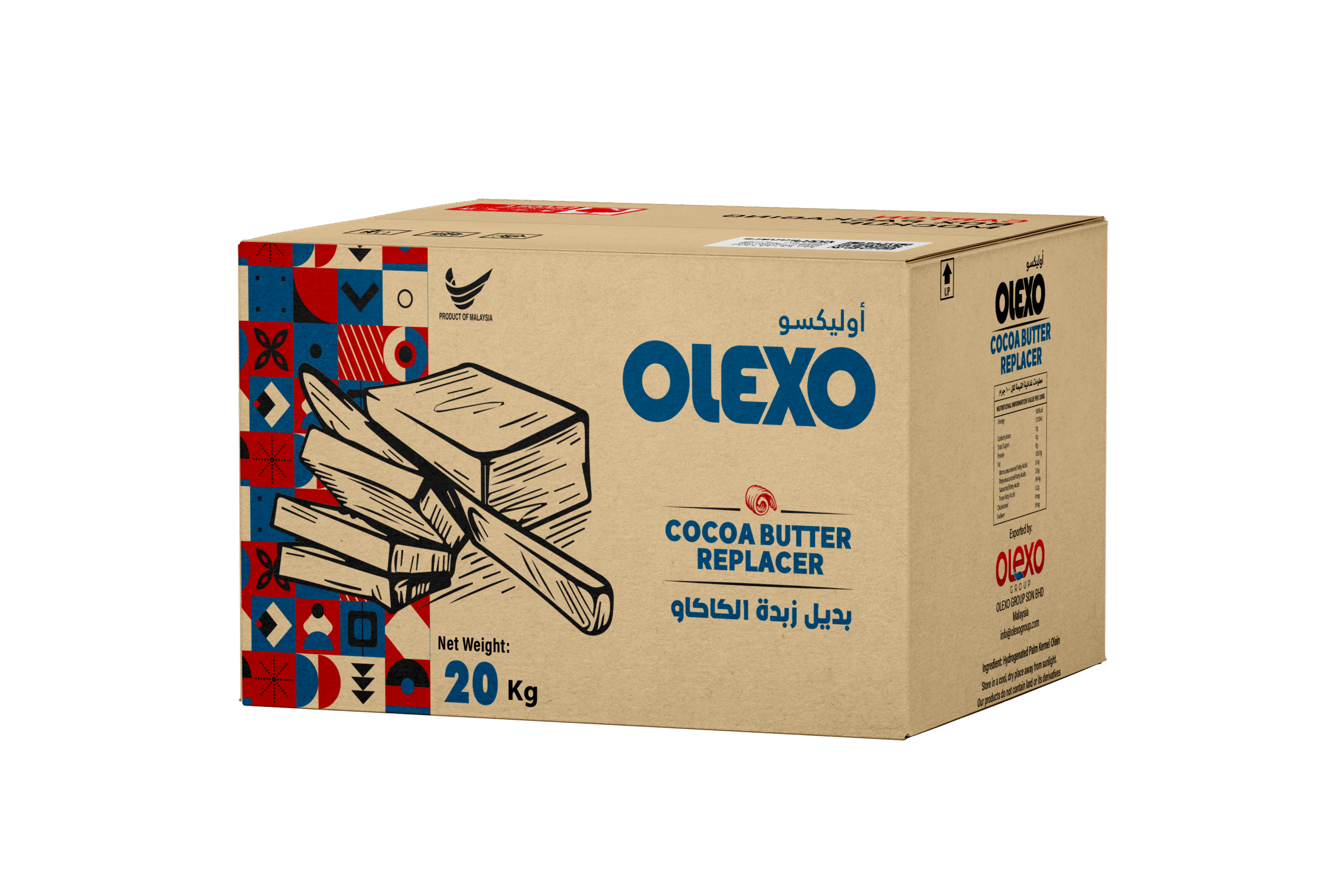
What are Cocoa Butter Replacer (CBR) Fats?
CBRs are specialty fats that cannot be blended with natural cocoa butter but completely replace it in compound coatings. They are engineered to crystallize quickly and set at room temperature, making them ideal for enrobing or molding applications where quick drying and high surface gloss are needed. Olexo's CBRs are generally produced from Palm Kernel Oil fractions, which provide the necessary lauric-rich composition and sharp melting characteristics.
Why is Oil Bleaching Necessary for Color Removal?
Bleaching is a required step in the RBD process. It involves treating the oil with natural activated bleaching earth (clay) under vacuum. This step removes color pigments, particularly red carotenoids, and also eliminates residual impurities like soaps and trace metals. Removing these substances is crucial because they act as pro-oxidants, which degrade the oil. The result is a clear, light-colored oil ready for deodorization and final fractionation.

What Is the Importance of Interesterification in Fat?
Interesterification is a process that rearranges the fatty acids on the glycerol molecule of the fat. This modifies the texture and melting curve without altering the chemical composition (no trans fats created). Olexo uses this technique to create plastic fats with improved functionality, such as aerating shortenings or specialty margarine bases, providing a smoother, more uniform crystal structure and improved shelf stability.
What is Palm Mid-Fraction (PMF) Used For?
Palm Mid-Fraction (PMF) is a highly specialized product obtained from a second, targeted fractionation of Palm Olein or Stearin. PMF contains high levels of the P-O-P (Palmitic-Oleic-Palmitic) triglyceride, giving it a very sharp melting point. Its primary use is in the production of high-value Cocoa Butter Equivalents (CBEs) and premium coating fats in the confectionery sector where a quick, clean melt is essential.
Why Do Buyers Request Vitamin A & D Fortification?
Many governments mandate or incentivize the addition of vitamins to staple foods to combat widespread deficiencies. Olexo offers the option to fortify its RBD Palm Olein, Palm Stearin, and Vegetable Ghee products with essential fat-soluble vitamins, primarily Vitamin A and Vitamin D. This meets public health requirements in destination markets and enhances the nutritional value and marketability of the final packaged product.
What is the Role of Emulsifiers in Edible Fats?
Emulsifiers (like monoglycerides and lecithin) are critical additives that Olexo can incorporate into blended fats like margarine and shortening. They facilitate the stable mixing of oil and water phases, preventing separation. In shortenings, emulsifiers improve the creaming capacity (trapping air) and enhance the texture and softness of baked goods. They are essential for achieving the required plasticity and texture in structured fats.
How Does Palm Oil Contribute to Chocolate Fillings?
Palm fractions are widely used in fat-based confectionery fillings. They provide the necessary bulk, mouthfeel, and crystallization control. Unlike chocolate coatings, fillings require fats with a slightly wider melting range to ensure they remain creamy and soft at ambient temperature, but not too liquid. Olexo supplies blended palm fats specifically engineered for this purpose, providing an ideal, non-greasy texture.
Why is Transit Insurance Necessary for Bulk Oil Shipments?
Transit Insurance is vital for B2B buyers moving bulk oil (in Flexitanks or Drums) across continents. It protects against losses due to catastrophic events like container damage, leakage, or contamination during the long sea voyage. Olexo ensures robust marine cargo insurance is in place for the CIF (Cost, Insurance, and Freight) terms, covering the value of the goods from the refinery to the discharge port.
What Documentation is Needed for Phytosanitary Clearance?
For edible oils, the Phytosanitary Certificate is issued by the originating country's plant quarantine authority. While oil is not a plant product, the certificate confirms that the packaging materials and the container itself are free from regulated pests and diseases. This is a crucial document required by customs authorities in many importing countries to prevent the introduction of foreign agricultural pests.
What is the Significance of an ISO 22000 Certification?
ISO 22000 is an internationally recognized standard for Food Safety Management Systems (FSMS). For Olexo, this certification ensures rigorous control over every step: from sourcing to refining, processing, and shipping. It proves that the refinery systematically identifies, evaluates, and controls food safety hazards, providing buyers with absolute assurance regarding the purity and safety of the oil products they procure.
What are Cocoa Butter Substitute (CBS) Fats?
CBS fats are specialty confectionery fats that are cheaper alternatives to cocoa butter. Like CBRs, they are typically lauric fats derived from Palm Kernel Oil or Coconut Oil. They set quickly and provide a glossy, hard finish on coatings. However, due to their unique crystallization properties, they are generally incompatible with natural cocoa butter and are used in full replacement for budget coatings and seasonal confectionery.
How Does Iodine Value (IV) Relate to Oil Quality?
Iodine Value (IV) is a key chemical specification. It measures the degree of unsaturation (double bonds) in the oil's fatty acids. A higher IV (e.g., Olein IV 56-63) means more liquid, unsaturated fat and, therefore, better cold stability (lower CP). A lower IV (e.g., Stearin IV 32-48) indicates more saturated, solid fat. IV is the most fundamental indicator used by refiners to classify fractions.
What is the Role of Antioxidants in Preventing Rancidity?
Antioxidants are functional additives used to enhance the oil's shelf life and frying stability by inhibiting oxidation. They work by neutralizing the free radicals formed during heat exposure or storage. Common food-grade antioxidants Olexo uses include TBHQ (Tertiary-Butylhydroquinone) or natural Tocopherols (Vitamin E). Adding these protects the oil from developing off-flavors (rancidity) and extends the operational life in fryers.
What are Palm Kernel Olein and Palm Kernel Stearin?
Similar to the main palm oil, Palm Kernel Oil (PKO) is fractionated into two parts: Palm Kernel Olein (PKOO), the liquid part, and Palm Kernel Stearin (PKOS), the solid part. Both are lauric fats. PKOS, with its high saturated fat content, is valuable for hard, confectionery coatings and specialty fats, while PKOO is often used in liquid shortenings and cooking applications requiring high oxidative stability.
What are the Key Fatty Acids in RBD Palm Olein?
The two dominant fatty acids in RBD Palm Olein are Palmitic Acid ($\text{C}16:0$) and Oleic Acid ($\text{C}18:1$). Palmitic acid is saturated (around $40-45\%$) and contributes to oxidative stability. Oleic acid is monounsaturated (around $40-45\%$) and provides the oil's liquid state and good heart-health profile. This balanced composition gives Olein its versatility and high resistance to rancidity compared to polyunsaturated oils.
What Does "Solid Fat Content (SFC)" Mean for Buyers?
Solid Fat Content (SFC) is the percentage of fat that is solid at a specific temperature, measured by NMR (Nuclear Magnetic Resonance). SFC is the ultimate technical parameter for structured fats (margarine, shortening). Olexo customizes fat fractions to meet a client's specific SFC curve, ensuring their product has the right consistency for spreading at $10^\circ\text{C}$ and the perfect melt profile at $35^\circ\text{C}$.
What is the Role of RSPO Mass Balance (MB) Certification?
Mass Balance (MB) is the most common RSPO certification model for refineries. It allows certified sustainable palm oil (CSPO) to be mixed with conventional palm oil during processing, but the volume of CSPO sold equals the volume purchased. MB supports the transition to sustainability by promoting trade flexibility. Olexo offers MB certified products to meet customer mandates while optimizing logistics and controlling costs.
How Are Palm Oil Prices Determined and Traded?
Palm oil prices are fundamentally determined by global commodity futures markets (Kuala Lumpur, Bursa Malaysia Derivatives, or Rotterdam). The cost to a buyer includes the CPO price, refining/fractionation costs, logistics, and currency hedging. Olexo Group provides quotes based on current market dynamics and offers various contract terms (spot, forward, quarterly) to help procurement teams manage price volatility and secure stable supply lines.
What are the Risks of Contamination in Bulk Shipping?
Contamination is a major risk in bulk oil shipping (Flexitanks or vessels). The key risk is contamination from previous cargoes. Olexo mitigates this by strictly adhering to the FOSFA (Federation of Oils, Seeds and Fats Associations) tank cleaning procedures. We also ensure that all flexitanks are food-grade and dedicated to edible oils only. Buyers must verify the pre-loading inspection certificate to confirm tank purity.
What Factors Drive Palm Oil Price Volatility?
Palm oil prices are highly volatile due to several global factors. Supply is affected by weather (El Niño/La Niña) and seasonal yield cycles in Malaysia and Indonesia. Demand is driven by major importers (China, India, EU) and mandatory biodiesel blending policies (B35/B50 in Indonesia). Prices are also closely linked to competing vegetable oils (Soybean, Sunflower) and crude oil, resulting in frequent price fluctuations (Source 1.5, 1.7).
How is the Melting Point Controlled in Structured Fats?
The melting point is controlled by precisely managing the ratio of solid (stearin) to liquid (olein) fractions and through Interesterification. For instance, a bakery shortening requires a fat that is solid at room temperature for texture but melts cleanly below body temperature for a pleasant mouthfeel. Olexo achieves this by custom-blending fractions based on the specific Solid Fat Content (SFC) curve required by the customer's formula.
What is Slip Melting Point (SMP) Measurement?
The Slip Melting Point (SMP) is a standard measure for semi-solid fats like Palm Stearin or shortening. It is the temperature at which a column of fat, when slowly heated, first begins to move or 'slip' up an open capillary tube. SMP is critical because it offers a practical, industrial measure of when the fat transitions from a solid state to a liquid state, informing its suitability for various product structures.

Why Do Buyers Insist on HACCP Certification?
HACCP (Hazard Analysis and Critical Control Points) is a systematic, preventative approach to food safety. Buyers insist on it because it proves that Olexo identifies and controls all significant biological, chemical, and physical hazards (like heavy metals or cleaning residues) at specific points (Critical Control Points) throughout the refining and processing chain. This drastically reduces the risk of contamination in the finished product.
When is the Peak Palm Oil Harvesting Season?
Palm oil production has a predictable seasonal cycle in Indonesia and Malaysia. Production typically enters its low cycle during the first quarter (January to April) due to drier weather and fewer harvest days. The yield then builds toward its peak cycle during the second half of the year, generally from July to October. Buyers must anticipate tighter supply and higher prices during the Q1 low-production months
How Can Buyers Track Global Palm Oil Stock Changes?
palm oil prices react instantly to inventory levels. Buyers track stock changes monthly using data released by the Malaysian Palm Oil Board (MPOB) and the Indonesian Palm Oil Association (GAPKI). High stock levels typically pressure prices down, while low stocks (under two million tonnes in Malaysia) support higher prices. Monitoring these stock reports is crucial for timely procurement and hedging decisions
How Do I Buy RBD Palm Olein in Bulk Contracts?
Bulk B2B buyers purchase refined palm olein directly from Olexo Group via spot contracts or forward contracts (locking in price for future delivery). Prices are negotiated as a premium or discount relative to the benchmark Crude Palm Oil Futures (FCPO) price on the Bursa Malaysia Derivatives (BMD). Once terms (FOB/CIF, volume, price) are agreed, the contract is finalized and registered with regulatory bodies like MPOB
Can Palm Oil Price Risk Be Managed with Futures?
Yes, financial derivatives are essential tools for price risk management. Refiners and importers use futures contracts, primarily the Crude Palm Oil Futures (FCPO) on BMD or the RBD Palm Olein Futures (FPOL), for hedging. For example, a refinery can lock in its processing margin by simultaneously buying CPO futures and selling RBD Olein futures (the "crushing margin") to protect against adverse price swings
How Do Competing Oils Affect Palm Oil Prices?
Palm oil is highly sensitive to the supply and price of substitute oils, primarily Soybean Oil and Sunflower Oil. Since vegetable oils are largely interchangeable, if competing oil production drops (ee.g., due to droughts in South America or Black Sea issues), buyers shift demand to palm oil, rapidly driving its price up. Monitoring the spread (price difference) between these oils is key for procurement strategy.
What Role Does Currency Exchange Play in Pricing?
The benchmark price for crude palm oil is set on the Bursa Malaysia Derivatives (BMD) in Malaysian Ringgit (MYR). However, many global contracts are settled in US Dollars (USD). Therefore, the USD/MYR exchange rate directly influences the final imported cost. A strengthening MYR makes Malaysian palm oil more expensive for USD buyers, affecting demand and pricing strategy globally.